
Piles Treatment in Jaipur
Piles, also known as hemorrhoids, are a common anorectal condition that can cause pain, bleeding, itching, and discomfort during bowel movements. While mild cases may improve with lifestyle changes and medication, some patients require medical or surgical treatment. At our clinic in Jaipur, piles are treated using modern, patient-focused approaches aimed at reducing pain, preventing complications, and supporting long-term relief. Each patient receives a proper evaluation to determine the most suitable treatment based on the severity of symptoms.
What Are Piles (Hemorrhoids)?
Piles are swollen and inflamed veins located in or around the anus and lower rectum. They develop due to increased pressure in the rectal area, often caused by straining during bowel movements, chronic constipation, or prolonged sitting. Piles can be internal or external and may vary in severity.
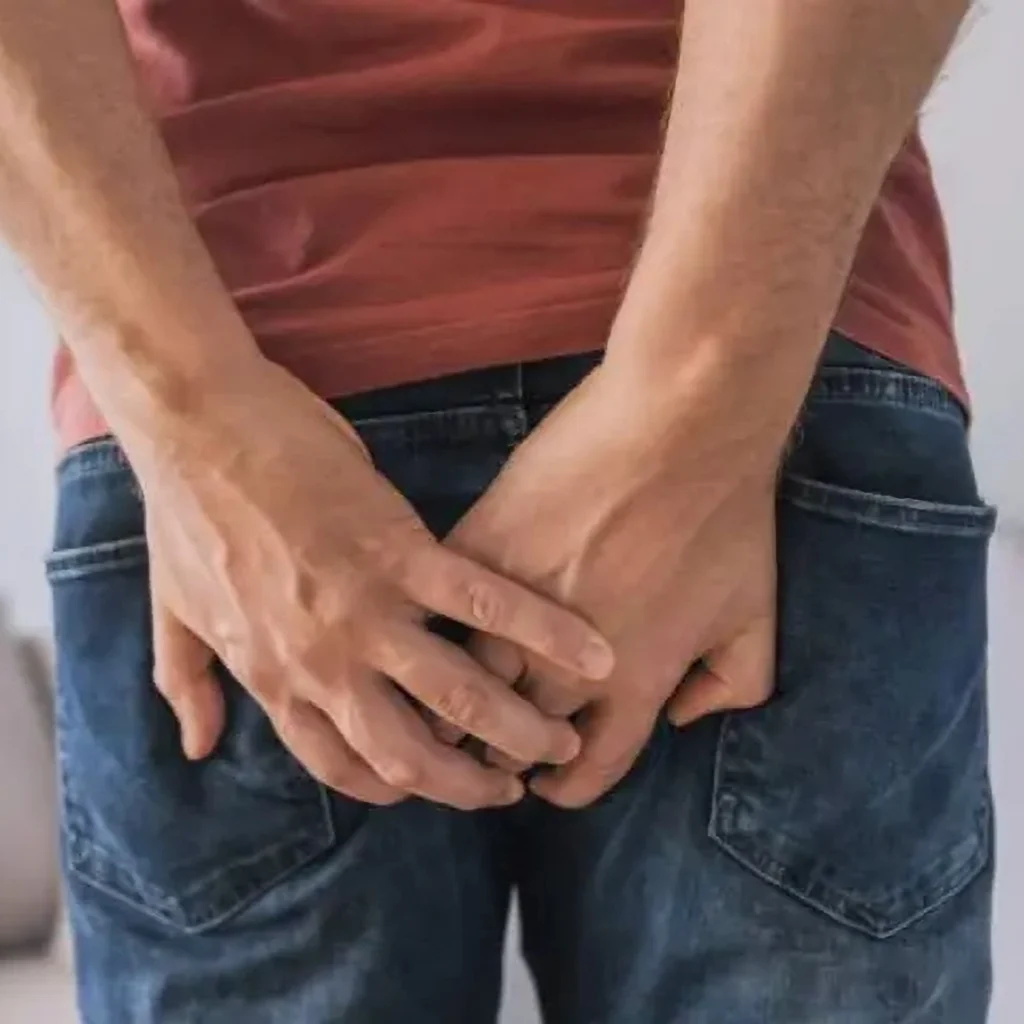
Common Symptoms of Piles
Piles (hemorrhoids) can cause a variety of symptoms that may range from mild discomfort to significant pain. These symptoms often worsen during bowel movements or after prolonged sitting.
• Pain or Discomfort During Bowel Movements
Patients may experience pain, burning, or discomfort while passing stools. The pain can be mild in early stages but may become more severe as the piles progress or become inflamed.
• Bleeding While Passing Stools
Fresh red blood on toilet paper or in the stool is a common symptom of piles. Bleeding is often painless in internal piles but should never be ignored, especially if it occurs repeatedly.
• Itching or Irritation Around the Anus
Persistent itching or irritation around the anal area can occur due to inflammation, moisture, or mucus leakage from piles. Scratching can worsen symptoms and increase discomfort.
• Swelling or Lumps Near the Anal Area
External piles may appear as swollen lumps around the anus. These lumps can be painful, tender, or uncomfortable, especially while sitting or during bowel movements.
• Mucus Discharge
Some patients notice mucus discharge after passing stools, which can cause irritation, wetness, or a feeling of uncleanliness around the anal region.
• Feeling of Incomplete Bowel Emptying
Piles can create a sensation that the bowel has not been completely emptied, leading to repeated straining and prolonged time spent on the toilet, which can further worsen the condition.
🔔 Important Note
If these symptoms persist, worsen, or interfere with daily life, medical evaluation is recommended. Early diagnosis and appropriate treatment can prevent complications and provide lasting relief.
Treatment Options for Piles
Treatment is selected based on the type and severity of piles, symptoms, and overall health of the patient.
🔹 Conservative Treatment
Mild piles may be managed with dietary changes, increased fiber intake, adequate hydration, medications, and lifestyle modifications aimed at improving bowel habits.
🔹 Minimally Invasive Procedures
For suitable cases, minimally invasive procedures may be advised to reduce symptoms with minimal discomfort and faster recovery. These procedures are usually performed as day-care treatments.
🔹 Surgical Treatment
Advanced or complicated cases of piles may require surgical intervention. Surgery is recommended only after careful evaluation and discussion of benefits, risks, and recovery expectations.
Benefits of Modern Piles Treatment
Modern piles treatment has advanced significantly, offering safe, effective, and patient-comfortable solutions. These treatments focus on relieving symptoms while ensuring faster recovery and long-term relief.
• Effective Relief from Pain and Bleeding
Modern treatment methods directly address the root cause of piles, providing quick and lasting relief from pain, bleeding, and discomfort during bowel movements.
• Minimally Invasive Options Available
Advanced techniques such as laser treatment and minimally invasive procedures allow piles to be treated without major surgery, reducing tissue damage and improving outcomes.
• Reduced Discomfort During Recovery
Because modern treatments involve minimal cutting and precise techniques, patients experience significantly less post-treatment pain and discomfort compared to traditional surgery.
• Short Hospital Stay or Day-Care Procedure
Most modern piles treatments are performed as day-care procedures, allowing patients to return home the same day and resume normal activities sooner.
• Lower Risk of Complications
Minimally invasive approaches reduce the risk of infection, bleeding, and other complications, making modern piles treatment safer and more reliable.
• Improved Quality of Life
Successful treatment helps patients regain comfort, confidence, and normal bowel habits, significantly improving daily activities and overall quality of life.
✅ Key Takeaway
Modern piles treatment offers effective symptom relief with minimal downtime, helping patients return to a pain-free and healthier lifestyle.
Our Treatment Approach
Every patient is evaluated thoroughly before starting treatment. The focus is on accurate diagnosis, patient education, and selecting the safest and most effective treatment option. Treatment plans are individualized, and patients are guided clearly about the procedure, recovery, and follow-up care.
Recovery and Aftercare
Recovery depends on the type of treatment performed. Most patients experience significant symptom relief with proper aftercare, dietary adjustments, and follow-up visits. Adhering to medical advice helps reduce the risk of recurrence and supports long-term recovery.
Frequently Asked Questions
What are piles and what symptoms should not be ignored?
Piles, also called hemorrhoids, are swollen blood vessels in or around the anus. Common symptoms include bleeding during stools, pain, itching, swelling, or a lump near the anus. Persistent bleeding or pain should be evaluated by a piles doctor in Jaipur to avoid complications.
When should I see a doctor for piles treatment?
You should consult a doctor if piles cause regular bleeding, pain while passing stools, prolapse, or do not improve with medicines and lifestyle changes. Early evaluation by an experienced piles surgeon in Jaipur helps determine whether non-surgical or minimally invasive treatment is suitable.
What are the treatment options available for piles?
Piles treatment depends on the grade and severity. Mild cases may improve with medicines, diet changes, and lifestyle correction. Advanced piles may require procedures like laser treatment or surgery. A proper examination helps decide the safest and most effective option.
What is laser treatment for piles and how does it work?
Laser treatment for piles is a minimally invasive procedure that shrinks or seals the swollen piles tissue using laser energy. It causes less pain, minimal bleeding, and faster recovery compared to traditional surgery, making it a preferred option for many patients in Jaipur.
Is piles surgery painful and how long is the recovery?
Modern piles procedures, especially laser treatment, involve minimal pain. Most patients can walk the same day and resume normal activities within a few days. Pain and discomfort are usually mild and well controlled with medications under proper surgical care.
What is the cost of piles treatment in Jaipur?
The cost of piles treatment in Jaipur depends on the type of piles, severity, and treatment method used (medical, laser, or surgery). Exact pricing is decided after clinical examination and discussion of the most appropriate treatment plan.
Book a Consultation
If you are experiencing symptoms of piles or need expert advice, schedule a consultation for proper evaluation and personalized treatment guidance.