
Pilonidal Sinus Treatment in Jaipur
Pilonidal disease is a condition that usually occurs near the tailbone and can cause pain, swelling, discharge, and recurrent infection. It commonly affects young adults and may worsen if left untreated. While early cases can sometimes be managed conservatively, recurrent or infected pilonidal sinus often requires medical or surgical treatment. At our clinic in Jaipur, pilonidal disease is treated using modern, patient-focused approaches aimed at reducing discomfort, lowering recurrence risk, and supporting proper healing. Each patient receives a thorough evaluation to determine the most suitable treatment option.
What is a Pilonidal Disease?
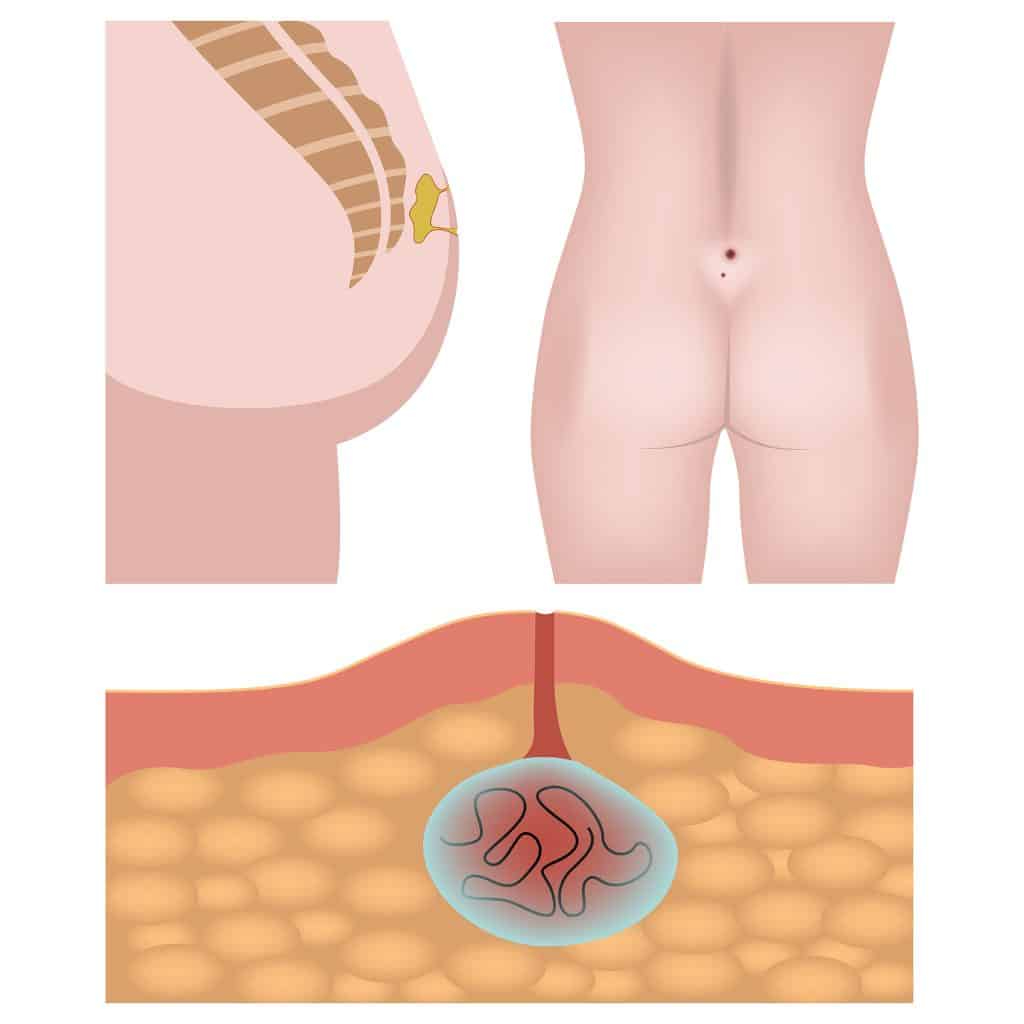
Pilonidal disease is a condition in which a small tunnel or cyst forms in the skin near the cleft of the buttocks, usually close to the tailbone. It often contains hair, debris, and infected tissue. The condition may remain painless initially but can become painful and infected over time, leading to abscess formation or recurrent discharge.
Common Symptoms of Pilonidal Disease
Pilonidal disease typically affects the area near the tailbone (coccyx), just above the buttocks. Symptoms may begin mildly but can worsen quickly if the infection develops.
• Pain or Tenderness Near the Tailbone
Patients often feel pain, soreness, or tenderness in the cleft between the buttocks, especially while sitting, walking, or standing for long periods. The pain may increase gradually or appear suddenly.
• Swelling or Redness in the Affected Area
Inflammation around the tailbone can cause visible swelling, redness, or warmth of the skin. This usually indicates irritation or infection of the pilonidal sinus.
• Pus or Blood-Stained Discharge
Infected pilonidal disease may lead to pus or blood-stained discharge from a small opening in the skin. This discharge may stain clothing and cause local discomfort.
• Foul-Smelling Drainage
The discharge often has a foul odor due to bacterial infection. Persistent bad-smelling drainage is a strong sign of an active pilonidal sinus or abscess.
• Fever in Case of Infection
In severe or acute infections, patients may develop fever, body ache, or general weakness. Fever suggests spreading infection and requires prompt medical attention.
• Recurrent Episodes of Pain or Abscess
Pilonidal disease often becomes recurrent, with repeated episodes of pain, swelling, and abscess formation. Recurrent symptoms usually indicate the need for definitive surgical treatment.
🔔 Important Note
If symptoms persist, recur, or are associated with discharge or fever, medical evaluation is essential. Early treatment helps prevent complications and reduces the risk of repeated infections.
Treatment Options for Pilonidal Sinus
Treatment is selected based on the severity of the condition, presence of infection, and whether the disease is acute or recurrent.
🔹 Conservative Management
Mild or early cases may be managed with antibiotics, local care, hair removal, and hygiene measures. This approach is usually suitable only in selected cases.
🔹Incision and Drainage
In cases of acute infection or abscess, a small procedure may be required to drain the pus and relieve pain. This helps control infection but may not prevent recurrence.
🔹 Surgical Treatment
Chronic or recurrent pilonidal disease often requires surgical removal of the sinus tract. Modern surgical techniques aim to reduce recurrence, minimize wound problems, and promote faster healing.
Benefits of Modern Pilonidal Treatment
Modern pilonidal treatment focuses on eliminating infection, preventing recurrence, and ensuring faster, more comfortable healing with advanced surgical techniques.
• Effective Control of Infection
Modern treatment methods target the root cause of pilonidal disease, helping clear existing infection and reduce the risk of abscess formation. This leads to faster symptom relief and prevents the spread of infection.
• Reduced Pain and Discomfort
Advanced surgical techniques are designed to minimize tissue damage, resulting in significantly less pain during and after treatment compared to traditional methods.
• Lower Risk of Recurrence
Modern approaches aim to completely remove the diseased tissue and sinus tracts, reducing the chances of the condition returning. This is especially beneficial for patients with recurrent pilonidal disease.
• Improved Wound Healing
With precise surgical techniques and better wound care protocols, healing is faster and smoother. Patients experience fewer wound-related complications and better long-term results.
• Better Hygiene and Comfort
Successful treatment reduces discharge, odor, and irritation, making it easier to maintain personal hygiene and improving overall comfort in daily life.
• Improved Quality of Life
Relief from pain, infection, and repeated abscesses allows patients to sit, walk, and work comfortably again, leading to a noticeable improvement in quality of life.
✅ Key Takeaway
Modern pilonidal treatment offers effective infection control with less pain, faster healing, and long-lasting relief, helping patients return to a comfortable and active lifestyle.
Our Treatment Approach
Every patient undergoes careful evaluation before treatment. The focus is on controlling infection, selecting the most appropriate surgical technique when required, and guiding patients clearly through recovery and aftercare. Treatment decisions are made with patient safety, comfort, and long-term outcomes in mind.
Recovery and Aftercare
Recovery depends on the type of treatment performed. Proper wound care, hygiene, hair management, and follow-up visits play an important role in healing and preventing recurrence. Patients are guided clearly about activity levels and aftercare instructions to support smooth recovery.
Frequently Asked Questions
What is a pilonidal sinus and how does it develop?
A pilonidal sinus is a small tunnel or cyst near the tailbone that often contains hair and skin debris. It commonly develops due to ingrown hairs, prolonged sitting, friction, or sweating. Early treatment by a pilonidal sinus specialist in Jaipur helps prevent infection and abscess formation.
What are the common symptoms of pilonidal sinus disease?
Symptoms may include pain near the tailbone, swelling, redness, discharge of pus or blood, and difficulty sitting. Recurrent infections or persistent drainage usually indicate a chronic pilonidal sinus that needs proper surgical evaluation.
Is surgery necessary for pilonidal sinus treatment?
Acute infections may need drainage, but chronic or recurrent pilonidal sinus usually requires surgical treatment for permanent relief. Surgery removes the sinus tract and reduces the risk of repeated infections. A surgeon will recommend the most suitable option after examination.
What are the modern surgical options for pilonidal sinus?
Modern treatment options focus on minimally invasive or limited excision techniques to reduce pain and recurrence. Depending on the condition, procedures may involve sinus removal with careful wound management for faster healing and better comfort.
How long does recovery take after pilonidal sinus surgery?
Recovery time depends on the surgical method and wound care approach. Most patients can resume light activities within a few days. Complete healing may take a few weeks, during which proper hygiene and follow-up care are important to prevent recurrence.
What is the cost of pilonidal sinus treatment in Jaipur?
The cost of pilonidal sinus treatment in Jaipur depends on disease severity, type of procedure performed, hospital stay, and post-operative care. Exact costs are discussed after clinical evaluation and selection of the most appropriate treatment plan.
Book a Consultation
If you are experiencing pain, swelling, or discharge near the tailbone, schedule a consultation for proper evaluation and personalized treatment guidance.