Fissure Treatment in Jaipur
Anal fissure is a common anorectal condition that causes pain and bleeding during or after bowel movements. It occurs due to a small tear in the lining of the anal canal and can significantly affect daily comfort and quality of life. While acute fissures may heal with medication and lifestyle changes, chronic fissures often require medical or surgical treatment. At our clinic in Jaipur, fissure treatment focuses on accurate diagnosis, pain relief, and modern treatment approaches aimed at promoting healing and preventing recurrence. Each patient is evaluated carefully to decide the most suitable treatment option.
What Is an Anal Fissure?
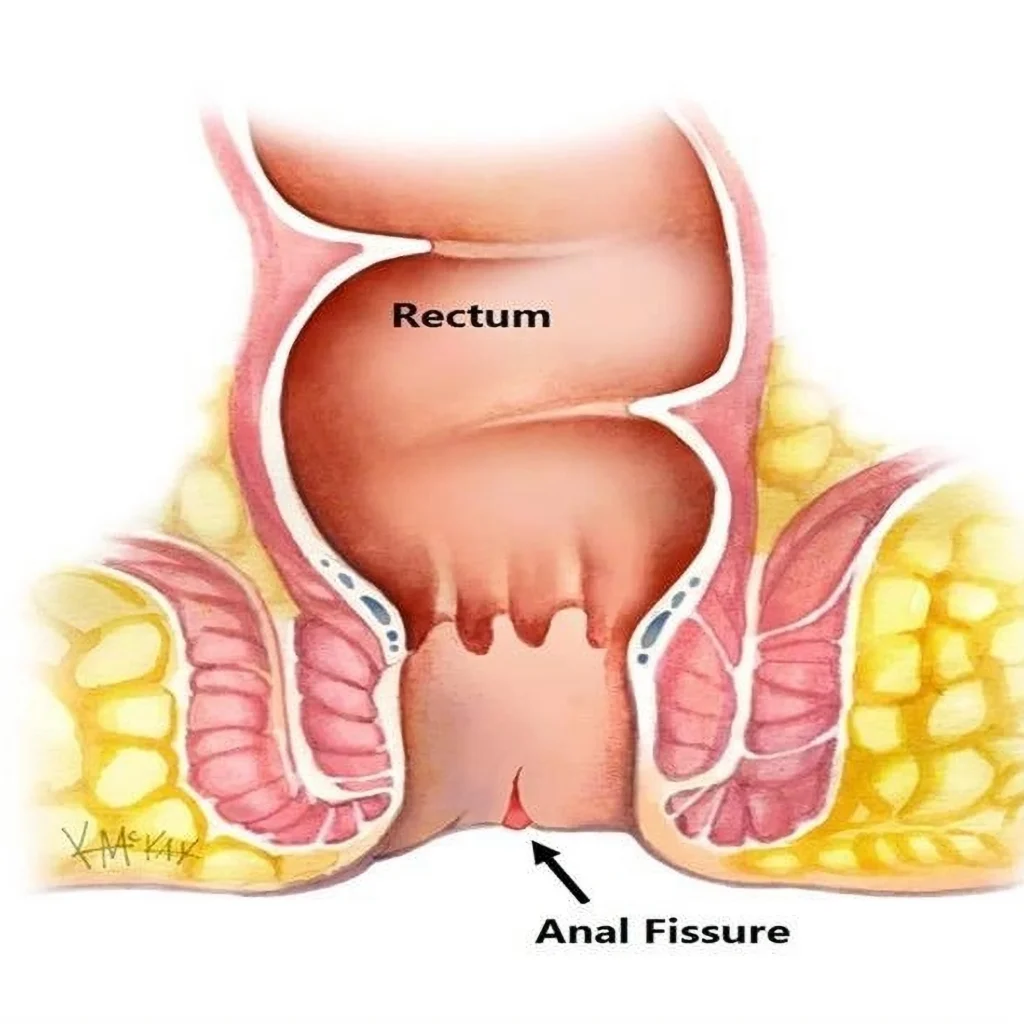
An anal fissure is a small cut or tear in the skin lining the anal canal. It commonly develops due to hard stools, constipation, excessive straining, or trauma during bowel movements. Fissures can be acute (recent) or chronic (long-standing), depending on duration and healing response.
Common Symptoms of Anal Fissure
An anal fissure is a small tear in the lining of the anus that can cause significant discomfort. Symptoms are often most noticeable during or after bowel movements and may worsen if left untreated.
• Sharp Pain During Bowel Movements
Patients commonly experience sudden, sharp, cutting pain while passing stools. This pain is often intense and is one of the earliest signs of an anal fissure.
• Burning Pain After Passing Stools
After bowel movements, many patients feel a burning or lingering pain that can last from a few minutes to several hours. This post-defecation pain is a hallmark symptom of a fissure.
• Bright Red Blood on Stool or Toilet Paper
Small amounts of fresh, bright red blood may be noticed on the stool or toilet paper. The bleeding is usually minimal but recurring and should not be ignored.
• Spasm or Tightness Around the Anus
An anal fissure often causes involuntary tightening or spasm of the anal muscles. This spasm reduces blood flow to the area, delaying healing and increasing pain.
• Itching or Irritation in the Anal Area
Persistent irritation, itching, or discomfort around the anus may occur due to inflammation or moisture, adding to the patient’s discomfort.
• Fear of Bowel Movements Due to Pain
Because passing stools becomes painful, many patients develop a fear of bowel movements, leading to stool retention and constipation, which further worsens the fissure.
🔔 Important Note
If anal pain, bleeding, or discomfort persists despite home remedies or medications, medical evaluation is essential. Early treatment helps prevent chronic fissures and avoids the need for surgery.
Treatment Options for Anal Fissure
Treatment depends on whether the fissure is acute or chronic and the severity of symptoms.
🔹 Conservative Treatment
Acute fissures are often managed with dietary modifications, increased fiber intake, adequate hydration, stool softeners, and prescribed medications to reduce pain and promote healing.
🔹 Minimally Invasive Procedures
In cases where conservative treatment fails, minimally invasive procedures may be advised to relieve sphincter spasm and improve blood flow, helping the fissure heal effectively.
🔹 Surgical Treatment
Chronic fissures that do not respond to other treatments may require surgical intervention. Surgery aims to reduce pain, promote healing, and prevent recurrence, while preserving normal anal function.
Benefits of Modern Fissure Treatment
Modern fissure treatment focuses on relieving pain, promoting faster healing, and preventing recurrence using advanced and patient-friendly techniques.
• Effective Pain Relief
Modern treatment methods help quickly reduce the sharp and burning pain associated with anal fissures. By relaxing anal muscle spasm and improving blood flow, patients experience significant relief during and after bowel movements.
• Faster Healing of Fissure
Advanced medical and minimally invasive treatments promote better blood circulation and tissue repair, allowing the fissure to heal faster compared to conventional methods.
• Minimally Invasive Options Available
Modern fissure treatment includes minimally invasive procedures such as laser treatment, which avoid large cuts and stitches, resulting in less discomfort and quicker recovery.
• Reduced Recurrence Risk
By addressing the underlying causes, such as muscle spasm and chronic constipation, modern treatments significantly lower the chances of fissure recurrence.
• Improved Bowel Comfort
Patients experience smoother and less painful bowel movements after treatment, reducing fear of defecation and helping restore normal bowel habits.
• Better Quality of Life
Relief from pain, bleeding, and discomfort allows patients to sit, walk, and carry out daily activities comfortably, leading to a noticeable improvement in overall quality of life.
✅ Key Takeaway
Modern fissure treatment offers safe, effective relief with minimal downtime, helping patients heal faster and return to a comfortable, pain-free routine.
Our Treatment Approach
Every patient undergoes a detailed clinical evaluation before treatment. The focus is on relieving pain, correcting bowel habits, and selecting the safest and most effective treatment option. Patients are guided clearly about diet, medications, procedures, and follow-up care to support long-term recovery.
Recovery and Aftercare
Recovery depends on the type of treatment provided. Most patients experience significant symptom relief with proper aftercare, dietary changes, and regular follow-up. Maintaining good bowel habits plays a key role in preventing recurrence and supporting long-term healing.
Frequently Asked Questions
What is an anal fissure and what symptoms does it cause?
An anal fissure is a small tear in the lining of the anus, usually caused by passing hard stools. Common symptoms include severe pain during or after bowel movements, burning sensation, and bleeding. Early treatment by an anal fissure specialist in Jaipur helps prevent chronic fissures.
Can anal fissures heal without surgery?
Many acute anal fissures heal with medicines, dietary changes, and stool-softening measures. However, chronic fissures that do not respond to medical treatment may require a minor surgical procedure. A proper evaluation helps decide the most effective treatment option.
What is laser treatment for anal fissure?
Laser treatment for anal fissure is a minimally invasive procedure that helps relax the anal muscle and promotes healing of the fissure. It causes less pain, minimal bleeding, and allows faster recovery compared to conventional surgery in suitable cases.
Is anal fissure surgery painful?
Modern anal fissure procedures, including laser-assisted techniques, are designed to minimize pain. Most patients experience significant relief soon after treatment. Mild discomfort may occur initially but is usually well controlled with medications and proper post-procedure care.
How long does recovery take after anal fissure treatment?
Most patients can resume normal daily activities within a few days after anal fissure treatment. Pain relief is often noticeable early, while complete healing may take a few weeks. Maintaining a high-fiber diet and good bowel habits is important during recovery.
What is the cost of anal fissure treatment in Jaipur?
The cost of anal fissure treatment in Jaipur depends on whether medical management or a surgical procedure is required. Factors such as severity, treatment method, and hospital facilities influence the final cost, which is discussed after clinical assessment.
Book a Consultation
If you are experiencing pain or bleeding during bowel movements, schedule a consultation for proper evaluation and personalized fissure treatment guidance.