
Anal Fistula Treatment in Jaipur
Anal fistula is a chronic condition that develops due to an abnormal connection between the inside of the anal canal and the skin around the anus. It often causes pain, discharge, swelling, and recurrent infection. Fistulas usually do not heal on their own and require proper medical or surgical treatment. At our clinic in Jaipur, fistula treatment focuses on accurate diagnosis and modern surgical techniques aimed at controlling infection, promoting healing, and reducing the risk of recurrence. Each patient is carefully evaluated to plan the most suitable treatment approach.
What Is an Anal Fistula?
An anal fistula is an abnormal tunnel that forms between the anal canal and the skin near the anus. It usually develops as a result of an infection or abscess that did not heal completely. Fistulas can vary in complexity and may cause ongoing discomfort if left untreated.
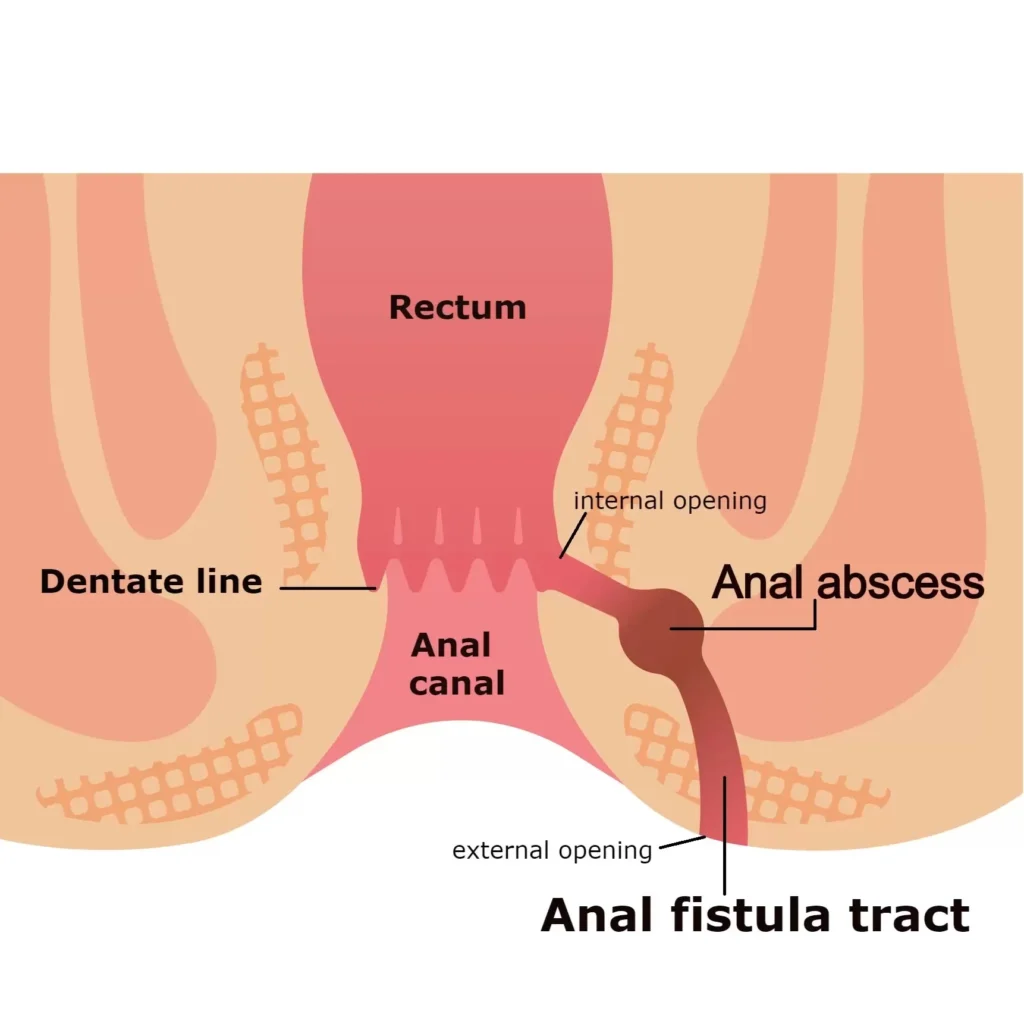
Common Symptoms of Anal Fistula
An anal fistula is an abnormal tunnel between the anal canal and the skin near the anus, usually developing after an infection or abscess. Symptoms are often persistent and tend to recur if not treated properly.
• Persistent Discharge of Pus or Fluid
One of the most common signs is continuous or intermittent discharge of pus or fluid from an opening near the anus. This discharge may soil underwear and is a strong indicator of an underlying fistula.
• Pain or Swelling Around the Anus
Patients may experience pain, tenderness, or swelling around the anal area. The pain often increases while sitting, walking, or during bowel movements.
• Recurrent Abscess Formation
Repeated episodes of painful swelling or abscess near the anus that burst and then heal temporarily are typical of anal fistula. Recurrence strongly suggests a persistent internal tract.
• Skin Irritation Near the Anal Area
Constant moisture and discharge can cause redness, itching, and irritation of the surrounding skin, leading to discomfort and difficulty maintaining hygiene.
• Bleeding or Discomfort During Bowel Movements
Some patients notice mild bleeding or discomfort while passing stools. This may be associated with inflammation or infection around the fistula opening.
• Fever During Active Infection
During periods of active infection, patients may develop fever, chills, or general weakness. Fever indicates a spreading infection and requires prompt medical attention.
🔔 Important Note
Anal fistula does not heal on its own. If symptoms such as persistent discharge, pain, or recurrent abscess occur, early surgical evaluation is essential to prevent complications and ensure complete treatment.
Treatment Options for Anal Fistula
The treatment of an anal fistula depends on its type, location, complexity, and the patient’s overall health. The goal is to eliminate infection, close the fistula tract, and preserve normal bowel control.
🔹 Medical Management
Medications may be used temporarily to control infection, reduce inflammation, or manage symptoms in acute cases. However, medical treatment alone does not cure an anal fistula and is mainly supportive before definitive treatment.
🔹 Minimally Invasive Procedures
Selected anal fistulas can be treated using minimally invasive techniques that aim to close the fistula tract while protecting the anal sphincter muscles. These approaches help reduce pain, shorten recovery time, and lower the risk of complications.
🔹 Surgical Treatment
Chronic or complex anal fistulas usually require surgical treatment to completely remove or treat the fistula tract. Surgery is carefully planned to control infection, promote proper healing, and maintain continence while reducing the chance of recurrence.
Benefits of Modern Fistula Treatment
Modern fistula treatment focuses on completely treating the infection while preserving normal anal function and ensuring long-term relief with advanced, patient-safe techniques.
• Effective Control of Infection
Modern treatment methods target the root cause of anal fistula by eliminating infected tissue and closing the abnormal tract. This helps control ongoing infection and prevents repeated abscess formation.
• Relief from Pain and Discharge
Successful treatment stops persistent pus discharge, foul odor, and irritation. Patients experience significant relief from pain, swelling, and discomfort during daily activities.
• Reduced Risk of Recurrence
Advanced techniques are designed to treat the entire fistula tract accurately, significantly lowering the chances of recurrence compared to conventional methods.
• Preservation of Normal Anal Function
Modern fistula treatments prioritize protecting the anal sphincter muscles. This helps maintain normal bowel control and reduces the risk of incontinence after surgery.
• Improved Healing Outcomes
With precise surgical techniques and better wound management, healing is faster and more complete. Patients experience fewer complications and a smoother post-treatment recovery.
• Better Quality of Life
Relief from chronic infection, pain, and discharge allows patients to return to normal routines with improved comfort, confidence, and overall quality of life.
✅ Key Takeaway
Modern fistula treatment offers safe, effective, and long-lasting results while preserving normal anal function and ensuring better healing.
Our Treatment Approach
Each patient undergoes a detailed clinical evaluation before treatment. The focus is on identifying the fistula type, controlling infection, and selecting the safest and most effective treatment method. Clear communication and personalized care ensure patients understand the procedure, recovery, and follow-up requirements.
Recovery and Aftercare
Recovery depends on the type of fistula and treatment performed. Proper wound care, hygiene, medications, and follow-up visits play an important role in healing and preventing recurrence. Patients are guided clearly on activity levels and aftercare instructions to support smooth recovery.
Frequently Asked Questions
What is an anal fistula and how does it develop?
An anal fistula is an abnormal tunnel that forms between the anal canal and the skin around the anus. It usually develops after an anal abscess that does not heal properly. Symptoms include pain, swelling, discharge of pus, and recurrent infection.
Does an anal fistula heal on its own?
Anal fistulas usually do not heal without treatment. While medicines may temporarily reduce infection or discomfort, they cannot close the fistula tract. Definitive treatment by an experienced anal fistula surgeon in Jaipur is often required to prevent repeated infections and complications.
What are the treatment options available for anal fistula?
Treatment depends on the type and complexity of the fistula. Options may include minimally invasive procedures or surgical treatment to remove or close the fistula tract. The aim is to cure the condition while protecting the anal muscles and bowel control.
Is laser treatment available for anal fistula?
Laser treatment for anal fistula is a minimally invasive option for selected cases. It uses laser energy to close the fistula tract from inside, causing less pain and quicker recovery compared to conventional surgery when appropriately indicated.
How painful is anal fistula surgery and what is the recovery time?
Modern anal fistula treatments are designed to minimize pain. Most patients experience manageable discomfort after the procedure and can return to routine activities within a few days. Complete healing may take a few weeks, depending on the technique used.
What is the cost of anal fistula treatment in Jaipur?
The cost of anal fistula treatment in Jaipur varies based on the complexity of the fistula, treatment method used, and hospital facilities. An accurate estimate is provided after clinical examination and imaging assessment.
Book a Consultation
If you are experiencing persistent discharge, pain, or recurrent infection, schedule a consultation for proper evaluation and personalized fistula treatment guidance.