
Appendix Treatment in Jaipur
Appendicitis is a medical condition in which the appendix becomes inflamed and infected, often causing sudden abdominal pain that requires urgent attention. If left untreated, appendicitis can lead to serious complications such as rupture or infection spread. At our clinic in Jaipur, appendix treatment focuses on early diagnosis and timely surgical management using modern techniques aimed at ensuring patient safety and faster recovery. Each patient is evaluated carefully to confirm the diagnosis and determine the most appropriate treatment approach based on symptoms and overall health.
What Is an Appendicitis?
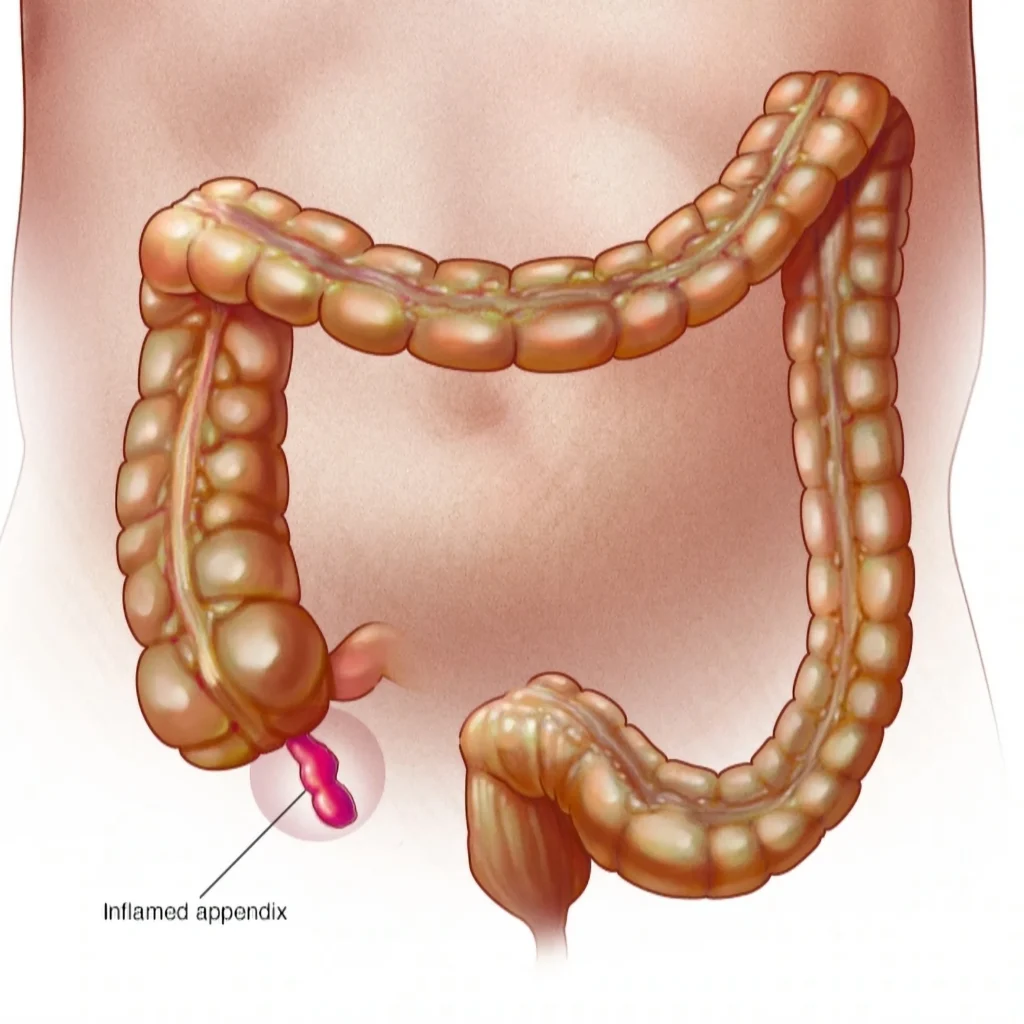
Appendicitis occurs when the appendix becomes inflamed or infected, often due to blockage inside the appendix. This condition commonly causes sudden abdominal pain that may worsen over time. Early medical evaluation is important to prevent complications such as rupture and to ensure timely and safe treatment.
Common Symptoms of Appendicitis
Appendicitis is a condition in which the appendix becomes inflamed or infected, most commonly due to blockage within the appendix. It is a potentially serious condition that can worsen quickly if not treated in time. Recognizing the symptoms early is important to avoid complications such as appendix rupture.
• Sudden Abdominal Pain
Pain often begins near the navel and gradually shifts to the lower right side of the abdomen. The pain typically worsens over time and may increase with movement, coughing, or pressure.
• Nausea and Vomiting
Many patients experience nausea or vomiting soon after the onset of abdominal pain. Loss of appetite is also a common early symptom of appendicitis.
• Fever and General Discomfort
Low-grade fever may develop as the inflammation progresses. Patients may also feel unwell, tired, or experience body weakness during infection.
• Abdominal Tenderness or Swelling
The lower right abdomen may become tender or swollen. Touching or pressing the area can increase pain, indicating ongoing inflammation.
• Changes in Bowel Habits
Some patients may experience constipation, diarrhea, or difficulty passing gas. These symptoms can vary but often accompany abdominal discomfort.
• Worsening Pain Over Time
Unlike minor stomach pain, appendicitis-related pain usually intensifies and does not improve on its own. Progressive pain is a key warning sign requiring medical attention.
🔔 Important Note
Appendicitis is a medical emergency and does not resolve without treatment. If symptoms such as increasing abdominal pain, fever, nausea, or vomiting occur, prompt surgical evaluation is essential to prevent rupture and serious complications.
Treatment Options for Appendicitis
The treatment of appendicitis depends on the severity of inflammation, presence of infection or rupture, and the patient’s overall health. Early treatment helps prevent complications and ensures a safe recovery.
🔹 Medical Management (Selected Cases)
In very early or mild cases, antibiotics may be considered under close medical supervision. However, this approach is limited and surgery is usually recommended to prevent recurrence.
🔹 Laparoscopic Appendectomy
Laparoscopic appendectomy is a minimally invasive procedure performed through small incisions using a camera and specialized instruments. It is the preferred treatment for most patients due to less pain, minimal scarring, faster recovery, and shorter hospital stay.
🔹 Open Appendectomy
Open surgery may be required in complicated cases, such as appendix rupture or widespread infection. It involves removing the appendix through a single incision and allows effective control of infection when minimally invasive surgery is not suitable.
Benefits of Laparoscopic Appendix Surgery
Laparoscopic appendectomy is a modern and effective surgical approach for treating appendicitis. Compared to traditional open surgery, it offers greater comfort, faster recovery, and excellent clinical outcomes.
• Minimally Invasive Procedure
Laparoscopic appendix surgery is performed through small keyhole incisions using a camera and specialized instruments. This allows precise removal of the appendix with minimal disturbance to surrounding tissues.
• Smaller Incisions
Only tiny incisions are required, resulting in minimal scarring, lower risk of infection, and better cosmetic results compared to open appendix surgery.
• Reduced Post-Operative Pain
Because there is less tissue trauma, post-operative pain is usually mild and easily controlled with medications, allowing patients to feel comfortable soon after surgery.
• Faster Recovery
Most patients are able to walk within hours of surgery and resume light activities within a few days. Overall recovery is significantly quicker than with open appendectomy.
• Short Hospital Stay
Laparoscopic appendectomy is often performed as a day-care procedure or may require only a short hospital stay, depending on the severity of appendicitis.
• Early Return to Routine Activities
Patients can return to normal daily activities and work sooner, reducing disruption to routine life and improving overall comfort.
✅ Key Takeaway
Laparoscopic appendix surgery is a safe and effective treatment for appendicitis, offering less pain, faster healing, and a quicker return to everyday activities.
Our Treatment Approach
Each patient undergoes a detailed evaluation before treatment. The focus is on accurate diagnosis, explaining available options clearly, and choosing the safest and most effective surgical approach. Patient comfort, safety, and long-term outcomes are central to the treatment plan.
Recovery and Aftercare
Recovery after appendix surgery depends on the severity of appendicitis and the type of procedure performed. Most patients can begin walking within hours and resume light activities within a few days by following medical advice. Proper wound care, gradual activity increase, and scheduled follow-up visits help ensure smooth healing and prevent complications.
Frequently Asked Questions
What is appendicitis and what are its warning signs?
Appendicitis is inflammation of the appendix. Common symptoms include sudden pain starting near the navel and shifting to the lower right abdomen, fever, nausea, vomiting, and loss of appetite. These symptoms require urgent evaluation by a surgeon in Jaipur.
Is appendicitis an emergency condition?
Yes. Appendicitis is usually a medical emergency because a delayed diagnosis can lead to rupture and infection. Early treatment by an experienced laparoscopic surgeon in Jaipur helps reduce complications and speeds up recovery.
Is surgery always required for appendix treatment?
Most cases of appendicitis require surgical removal of the appendix for definitive treatment. In selected mild cases, antibiotics may be tried under close monitoring, but surgery remains the standard and most reliable option.
What is laparoscopic appendectomy and how is it performed?
Laparoscopic appendectomy is a minimally invasive surgery done through small incisions using a camera and instruments. It offers less pain, smaller scars, and faster recovery compared to open surgery, making it the preferred approach for many patients.
How long does appendix surgery take and what is the recovery time?
Appendix surgery usually takes 30 to 60 minutes. Most patients can walk within hours and return to routine activities in a few days. Complete recovery typically occurs within 1–2 weeks after laparoscopic surgery.
What is the cost of appendix treatment in Jaipur?
The cost of appendix treatment in Jaipur depends on factors such as surgical method, severity of inflammation, hospital stay, and investigations required. A clear estimate is provided after clinical examination and imaging review
Book a Consultation
If you have symptoms of appendicitis or need expert advice, schedule a consultation for proper evaluation and personalized treatment planning.